
In a medical emergency, every second counts. The decisions made in those critical moments can influence the course of care, making the choice of an emergency medical response partner an important consideration for individuals, organisations and healthcare providers alike.
But what matters most when choosing a partner to respond when lives are at stake?
In a recent LinkedIn poll, we asked our audience: “In a medical emergency, every decision matters. But when choosing an emergency response partner, which factor carries the most weight for you?”
The results revealed an important insight: speed of response emerged as the leading priority, closely followed by an experienced medical team, quality of care and nationwide reach.
While the results highlight the importance of responding quickly, they also reinforce a broader truth: effective emergency medical response depends on several factors working together.
1. Speed of Response: Every Second Counts
When a medical emergency occurs, delays can have serious consequences. Whether responding to a workplace incident, a road traffic accident or a sudden medical complication, the ability to mobilise quickly and coordinate the appropriate response is essential.
However, speed is not simply about arriving first. It also involves efficient communication, rapid medical assessment, appropriate resource mobilisation and timely access to the right level of care.
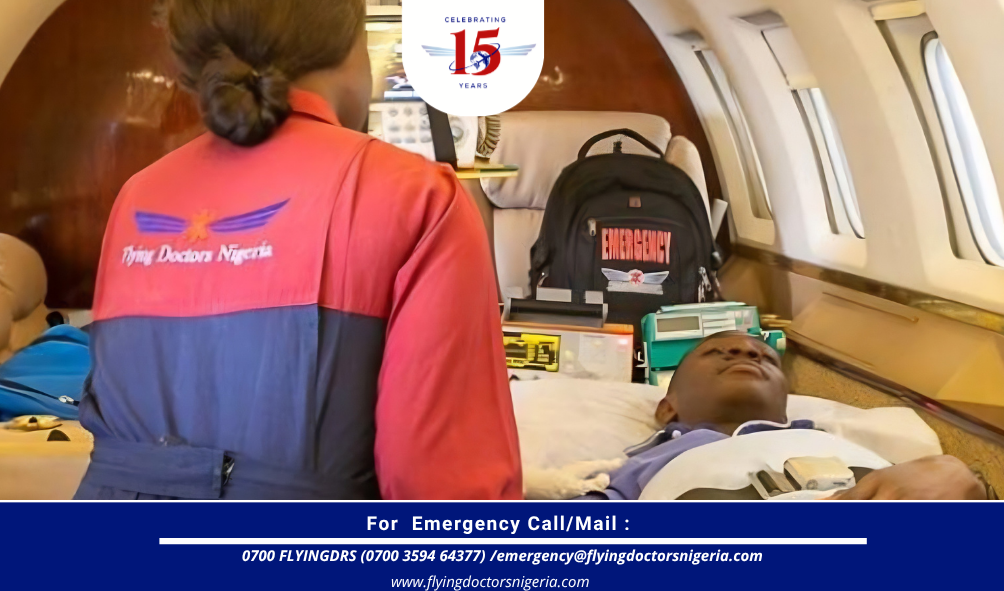
At Flying Doctors Nigeria, emergency response is built around coordinated operations designed to connect patients with appropriate medical support when it matters most. Through its air and ground ambulance services, FDN supports emergency transfers and medical evacuations, helping bridge the gap between an emergency and access to necessary care.
2. An Experienced Medical Team: Expertise Behind Every Decision
A rapid response is only as effective as the people delivering the care. Medical emergencies often require professionals who can assess complex situations, make informed clinical decisions and manage patients while preparing them for transfer or further treatment.
An experienced medical team brings clinical expertise, sound judgement and the ability to respond to changing patient needs. This is particularly important in high-risk environments, remote locations and situations where access to advanced medical facilities may be limited.
FDN’s medical evacuation and emergency response services combine medical expertise with operational coordination to support patients throughout the transfer process. From patient assessment to stabilisation and transportation, the objective is to ensure that speed is supported by appropriate medical care.
3. Quality of Care: Beyond Getting There Quickly
In emergency medicine, getting to a patient quickly is important, but what happens next matters just as much.
Quality of care encompasses clinical standards, appropriate equipment, patient monitoring, effective communication and continuity of care throughout an emergency transfer. It also requires the right resources for the patient’s condition and a coordinated handover to the receiving facility.
At FDN, the integration of medical personnel, ambulance capabilities and patient transfer coordination supports a more comprehensive approach to emergency response. Its air ambulance services provide mobile intensive care capabilities for patients who require advanced medical support during transportation.
The goal is not simply to move patients from one location to another, but to support their medical needs throughout the journey.
4. Nationwide Reach: Access to Care Beyond Major Cities
Geography can create significant barriers to emergency medical care. Patients in remote communities, offshore facilities, industrial sites and locations far from specialist hospitals may face additional challenges in accessing appropriate treatment.
A reliable emergency response partner must therefore have the operational capability to coordinate care across locations and navigate the logistical demands of patient transfers.
FDN’s integrated air and ground ambulance network supports emergency response and medical transfers across Nigeria, with regional and international coordination capabilities. Through its broader medical assistance network, FDN also helps connect patients with appropriate healthcare facilities when their needs extend beyond their immediate location.
For organisations operating across multiple sites, this capability is especially important in planning for medical emergencies, strengthening duty-of-care arrangements and improving access to appropriate medical support.
Why All Four Factors Matter
Although speed of response ranked highest in our LinkedIn poll, the other factors are equally important in building a dependable emergency medical response system.
A fast response without adequate clinical expertise may be insufficient. An experienced medical team needs the right equipment and resources to deliver quality care. Even excellent clinical capabilities can be difficult to access without the operational reach and coordination required to get patients to the appropriate facility.
These factors are interconnected. Speed, expertise, quality of care and reach must work together to support an effective emergency response.
For businesses, particularly those operating in oil and gas, mining, construction and other high-risk environments, this means evaluating emergency response partners beyond a single performance indicator. It means considering their medical capabilities, mobilisation processes, available resources, geographic coverage and ability to coordinate care when an incident occurs.
For individuals and families, it means having confidence that the support available to them is backed by the appropriate medical expertise and operational capabilities.
Flying Doctors Nigeria: Bringing the Elements Together
At Flying Doctors Nigeria, emergency medical response extends beyond the ambulance. It involves coordinating medical expertise, transportation, equipment and access to appropriate healthcare services to support patients when emergencies arise.
Through its air ambulance services, ground ambulance operations, medical assistance and Medevac Membership Plans, FDN provides solutions designed to support emergency preparedness and medical evacuation needs for individuals and organisations.
For organisations with remote or high-risk operations, FDN also offers remote-site medical solutions that help strengthen on-site medical preparedness, personnel support and emergency response planning.
These services reflect an essential principle: effective emergency response requires preparation before an incident, coordination during an emergency and appropriate medical support throughout the patient’s journey.
Ultimately, choosing an emergency medical response partner is about more than identifying the fastest provider. It is about finding a partner with the capabilities to respond promptly, make sound medical decisions, deliver appropriate care and coordinate access to the right resources.
At Flying Doctors Nigeria, we remain committed to supporting access to emergency medical care through coordinated air and ground ambulance services and comprehensive medical assistance solutions.
📞 For enquiries or assistance: +234 703 509 7761