
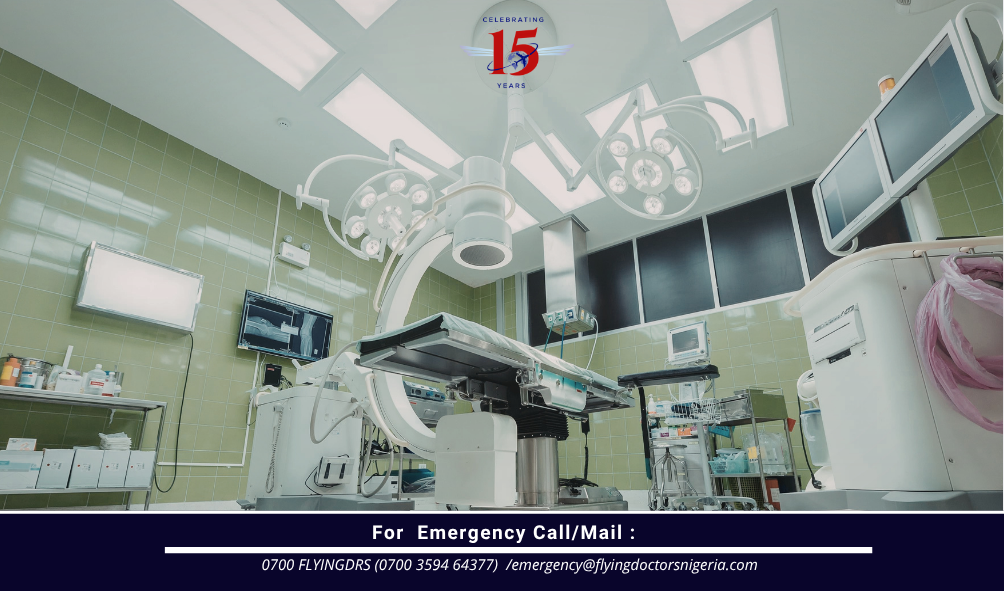
Medical equipment is more than a capital investment; it is an essential part of delivering safe, reliable, and effective healthcare. From diagnostic machines and patient monitors to ventilators and laboratory equipment, healthcare facilities depend on these technologies to support clinical decisions, improve patient outcomes, and maintain efficient operations.
However, acquiring the right equipment involves more than comparing prices and selecting a supplier. The quality of the equipment, its suitability for clinical needs, the reliability of the supplier, and the availability of technical support all influence the long-term value of the investment.
For hospitals and healthcare providers, choosing the right medical equipment partner is therefore a strategic decision. The right partner should understand the facility’s needs, provide dependable products, and offer support that extends beyond delivery.
Before making your next procurement decision, here are seven important questions every hospital should ask.
1. Are the Equipment and Products Genuine, Certified, and Compliant with Applicable Standards?
Patient safety begins with the quality and reliability of the equipment used to provide care. Medical devices that are counterfeit, substandard, or improperly documented can compromise clinical outcomes, expose healthcare workers and patients to unnecessary risks, and create additional costs for the facility.
Hospitals should establish whether a prospective supplier can provide appropriate product documentation, evidence of authenticity, manufacturer details, warranties, and applicable regulatory approvals or conformity documentation.
2. Does the Partner Understand Our Hospital’s Specific Clinical Needs?
Not every hospital requires the same equipment. A tertiary hospital with an intensive care unit has different needs from a primary healthcare centre, diagnostic laboratory, or specialist clinic.
Selecting equipment without a proper assessment of clinical requirements can result in unnecessary expenditure, underutilised devices, or equipment that cannot adequately support the facility’s services.
Before recommending a product, a reliable partner should seek to understand the hospital’s patient population, clinical priorities, existing infrastructure, staffing capacity, expected patient volume, and plans for future expansion.
For example, a facility expanding its emergency department may prioritise defibrillators, multiparameter patient monitors, oxygen delivery systems, and other emergency response equipment. A diagnostic centre, on the other hand, may require laboratory analysers or imaging systems that align with its service offerings and expected workload.
3. What Is the Total Cost of Ownership Beyond the Purchase Price?
The initial purchase price is only one component of the cost of owning medical equipment. Installation, staff training, consumables, maintenance, spare parts, software updates, energy consumption, and eventual replacement can significantly affect the overall investment.
An equipment option that appears affordable at the point of purchase may become more expensive over time if it requires frequent repairs, expensive consumables, or specialised maintenance that is difficult to access locally.
Hospitals should therefore evaluate the total cost of ownership before committing to a procurement decision.
This includes understanding the expected lifespan of the equipment, the availability and cost of consumables, warranty coverage, maintenance requirements, and the potential financial impact of downtime.
4. Does the Partner Provide Installation, Training, and After-Sales Support?
The delivery of medical equipment does not automatically mean it is ready for clinical use. Many devices require proper installation, testing, calibration where applicable, commissioning, and user training before they can be safely integrated into clinical workflows.
Without these essential steps, hospitals may experience avoidable operational challenges, poor equipment utilisation, or delays in introducing new services.
Healthcare providers should establish what support is included in the procurement agreement. Will the supplier coordinate installation? Will relevant staff receive training on the equipment’s proper operation? Is technical assistance available if problems arise? Who should the hospital contact when support is required?
These considerations are especially important for complex equipment, including laboratory analysers, imaging systems, ventilators, and patient monitoring devices.
5. How Does the Partner Handle Equipment Maintenance and Downtime?
Medical equipment reliability is critical to continuity of care. A malfunctioning patient monitor, unavailable laboratory analyser, or faulty ventilator can disrupt clinical workflows and place additional pressure on healthcare teams.
Although equipment failures cannot always be prevented, an effective maintenance strategy can reduce avoidable breakdowns and help facilities respond more efficiently when problems occur.
Hospitals should ask whether the partner provides preventive maintenance, troubleshooting, repairs, calibration services where required, and access to compatible spare parts. They should also clarify response times, escalation procedures, and the availability of technical personnel.
Preventive maintenance is particularly important because it helps identify potential problems before they develop into major failures. Maintenance schedules should follow manufacturer recommendations, applicable requirements, and the facility’s equipment management procedures.
6. Can the Partner Support Our Budget and Financing Requirements?
Budget constraints can make it difficult for healthcare facilities to acquire or upgrade essential medical equipment, even when the clinical need is clear.
Hospitals may need to balance equipment procurement against staffing costs, facility improvements, consumables, and other operational priorities. Consequently, a procurement decision should consider not only what the facility needs, but also how the investment can be funded sustainably.
Healthcare providers should ask whether the equipment partner offers flexible financing arrangements, phased procurement options, or other suitable purchasing structures.
Where financing is available, it is important to understand the eligibility criteria, repayment terms, fees, applicable interest, security requirements, and the overall financial commitment. Facilities should assess these terms carefully to ensure that the arrangement aligns with their cash flow and long-term financial plans.
A partner that understands the financial realities of healthcare delivery can help facilities explore practical ways to acquire suitable equipment without overlooking affordability and sustainability.
7. Can the Partner Grow with Our Facility and Support Future Needs?
Healthcare facilities evolve. Patient volumes increase, new clinical services are introduced, regulations change, and technology advances. Equipment that meets a hospital’s current needs may eventually require upgrades, replacement, or integration with newer systems.
Choosing a partner that can support these changing requirements helps reduce the challenges associated with repeated procurement exercises and fragmented supplier relationships.
Hospitals should consider whether a prospective partner can support future equipment needs, provide access to relevant product ranges, advise on upgrades, and help maintain continuity in technical support.
Compatibility is also important. New equipment may need to integrate with existing infrastructure, information systems, power supplies, or other clinical devices. These requirements should be assessed before procurement to avoid unexpected implementation costs.
A long-term equipment partner should be able to discuss the hospital’s future plans and help it make informed decisions about equipment investment, replacement cycles, and operational readiness.
Making the Right Choice: Think Beyond the Transaction
Choosing a medical equipment partner requires hospitals to look beyond product availability and purchase price. Product authenticity, clinical suitability, total cost of ownership, installation, maintenance, financing, and long-term support all contribute to the success of an equipment investment.
The right partner should help healthcare providers make informed decisions, acquire equipment that meets their requirements, and maintain the support needed to keep that equipment functioning effectively throughout its useful life.
For hospitals planning to expand their services, modernise existing facilities, or improve emergency and diagnostic capabilities, a structured procurement process can help minimise avoidable risks and maximise the value of every investment.
At Flying Doctors Nigeria (FDN), medical equipment solutions support healthcare providers in accessing equipment for their operational needs. Through medical equipment supply, installation and after-sales support, alongside flexible financing solutions where applicable, FDN helps facilities explore practical options for strengthening their healthcare delivery capabilities.
Ultimately, the best medical equipment partnership is not defined by what a supplier delivers on the day of purchase, but by the value, reliability, and support it brings to healthcare delivery over time.
Looking to equip or upgrade your healthcare facility? Contact us to discuss medical equipment solutions tailored to your facility’s requirements.
Email: fdnsales@flyingdoctorsnigeria.com
Phone: 08098031603